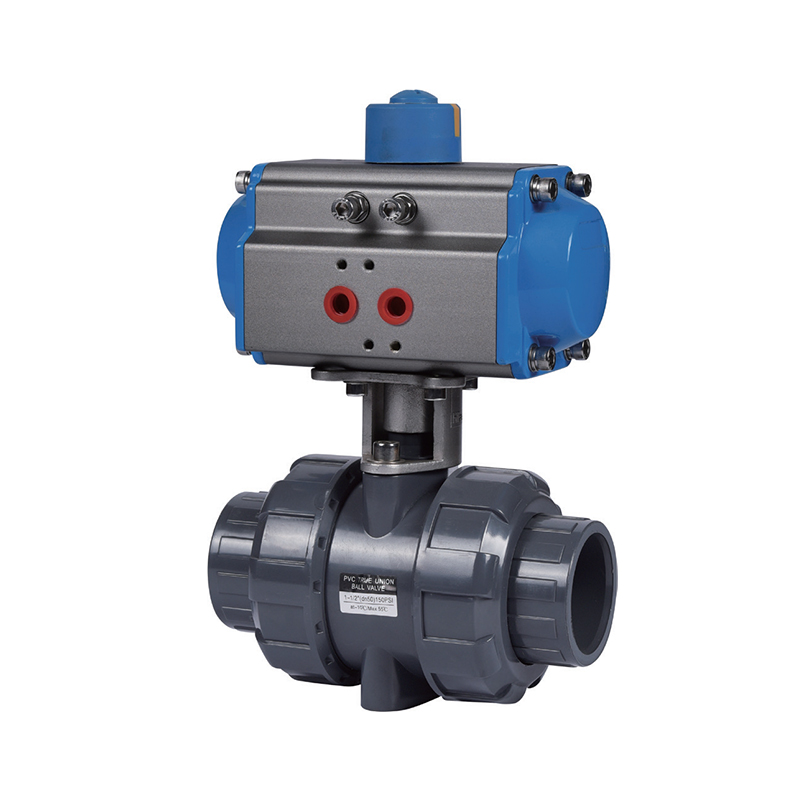
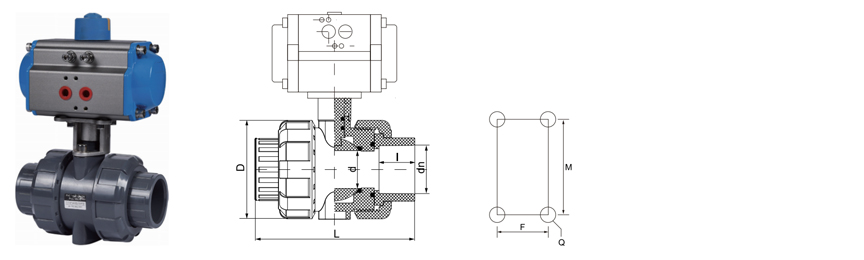
Application in the chemical industry: Advantages of UPVC/CPVC pneumatic ball valves in corrosive fluid control
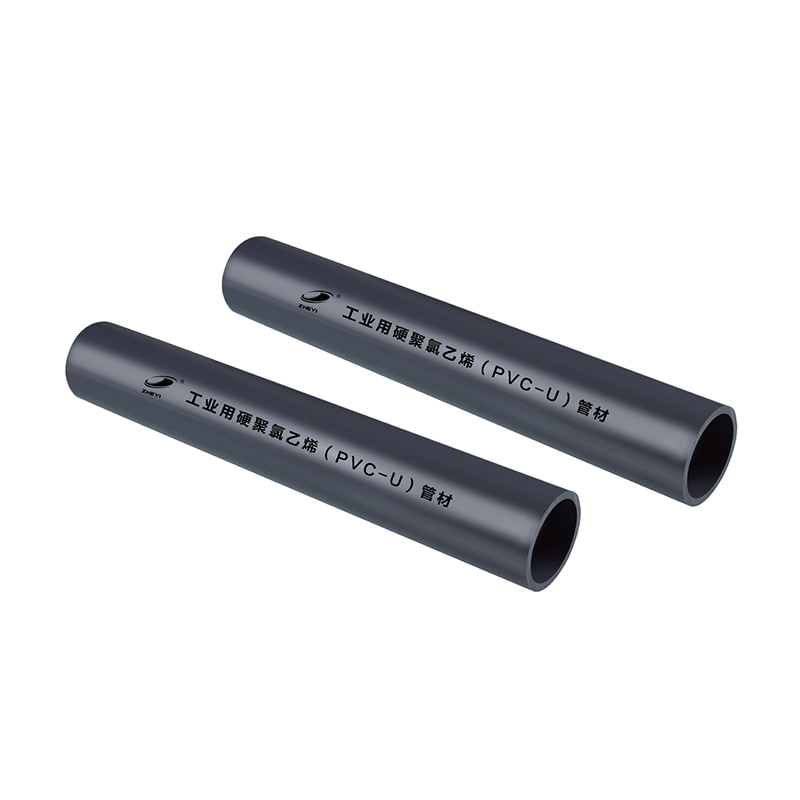
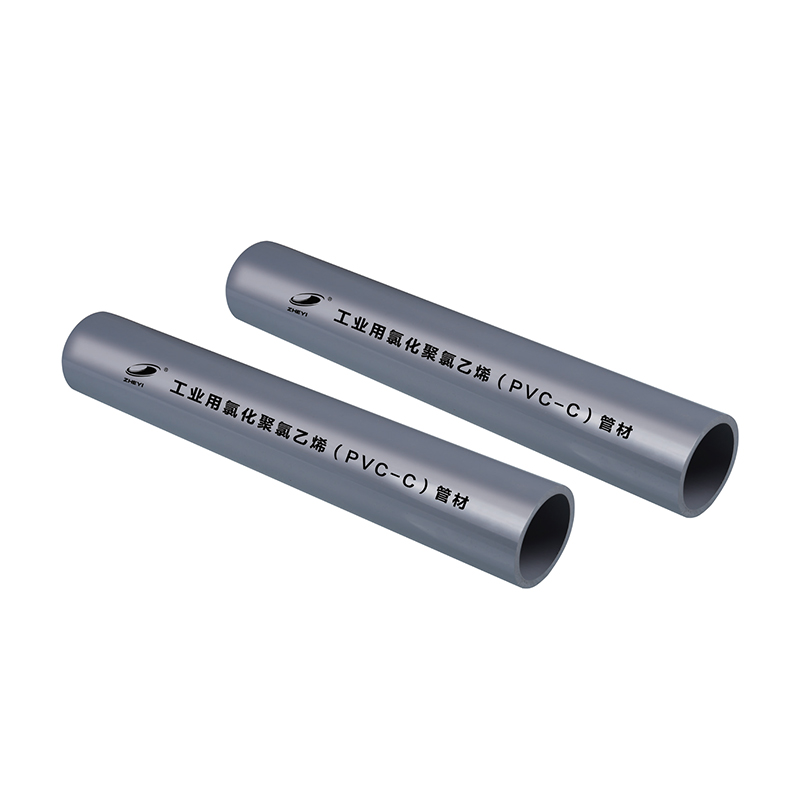
In the chemical and related industrial fields, the delivery and control of corrosive fluids (such as acids, alkalis, saline solutions, organic solvents, etc.) place strict requirements on valve materials. UPVC (unplasticized polyvinyl chloride) and CPVC (chlorinated polyvinyl chloride) pneumatic ball valves have become the preferred solutions for many key industries due to their excellent corrosion resistance, lightweight structure and automatic control advantages. The following are its typical application scenarios and core advantages:
1. Chemical and industrial water treatment
Industrial wastewater/industrial water treatment: UPVC/CPVC valves can withstand wastewater containing chlorine, fluoride and strong acids (such as sulfuric acid and hydrochloric acid), avoid electrochemical corrosion problems of metal valves, and extend service life.
Photovoltaic industry: In the manufacture of solar panels, it is used to control the precise delivery of etching solutions (such as hydrofluoric acid) to ensure that high-purity fluids are contaminated.
Electronic semiconductors: Suitable for ultrapure water (UPW) systems and chemical (such as ammonia, isopropyl alcohol) distribution to avoid metal ion contamination of wafer processes.
2. Energy and Metallurgy
Nuclear power plants: In cooling water and low-concentration radioactive wastewater systems, CPVC has better radiation aging resistance than ordinary plastic valves.
Metallurgical industry: Used in pickling lines (such as hydrochloric acid and nitric acid) and electroplating liquid pipelines, resistant to high temperature corrosion (CPVC can withstand media above 90°C).
3. Life sciences and public utilities
Pharmaceutical industry: In pharmaceutical purified water and water for injection (WFI) systems, UPVC/CPVC valves comply with FDA certification and have no risk of precipitates.
Drinking water (Safe Drinking Water): In municipal water supply systems, the inner wall of the valve is smooth and scale-free, eliminating secondary pollution such as lead and rust, and complies with NSF/ANSI 61 standards.
Summary of core advantages
The king of corrosion resistance: It can resist more than 90% of strong acids, strong alkalis and organic solvents, and its lifespan far exceeds that of metal valves.
Zero pollution risk: The material is inert, no metal ion precipitation, and fluid purity is guaranteed (such as semiconductor and pharmaceutical industries).
Lightweight and low cost: easy to install, maintenance cost is reduced by more than 50% compared with stainless steel valves.
 +86-15258772971
 dinys009@163.com